


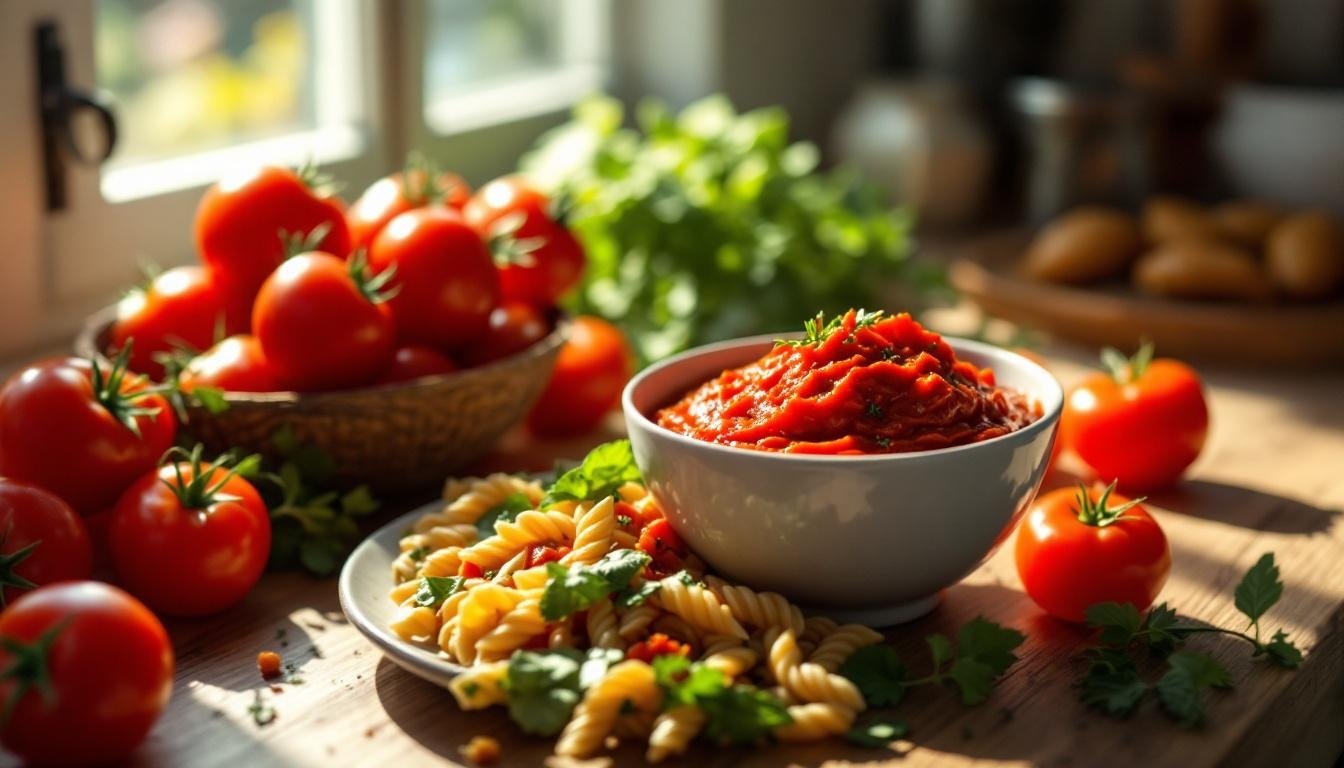
Paste (tomato paste or pepper paste), when produced and consumed under the right conditions, is a healthy food product. In fact, it can be even more concentrated and beneficial in terms of certain nutrients than fresh vegetables. However, production processes, added ingredients, and consumption quantity can alter its impact on health.
Health Benefits of Paste
- Source of Lycopene (Tomato Paste):
-
- Lycopene, the pigment that gives tomatoes their red color, is found in very high concentrations in tomato paste. Lycopene is a powerful antioxidant.
- Crucially, lycopene in cooked and processed tomato products (like paste) is much more easily absorbed by the body than from fresh tomatoes. This is because the cell walls are broken down, and lycopene is converted into a more bioavailable form.
- Lycopene has been shown to help reduce the risk of prostate, lung, and stomach cancers, improve cardiovascular health (by lowering bad cholesterol), and support skin health.
-
- Rich in Vitamins and Minerals: Both tomato and pepper pastes are rich in Vitamin A (in the form of beta-carotene). Vitamin A is critical for eye health, the immune system, and skin.
- Vitamin C: Especially pepper paste significantly retains the Vitamin C content of fresh peppers. Vitamin C strengthens the immune system and improves iron absorption.
- Vitamin K (Pepper Paste): Contributes to bone health.
- B Vitamins (Folic Acid/B9, B6): Important for cell regeneration and energy metabolism.
- Potassium: An essential mineral that helps regulate blood pressure.
- Fiber: Paste retains its fiber content. Fiber regulates the digestive system, provides a feeling of fullness, and supports gut health.
- Antioxidant Power:
- Beyond lycopene, pastes are also rich in phenolic compounds and other antioxidants. These antioxidants fight free radicals in the body, preventing cell damage and reducing the risk of chronic diseases.
- Flavor and Satiety:
- Paste adds an intense umami flavor, depth, and richness to dishes, enhancing the enjoyment of food and contributing to a feeling of fullness. This can also help reduce the need for extra salt or fat.
-
- High Sodium Content:
- Paste is produced using salt for preservation. Industrial pastes, in particular, can have a high salt content. Excessive salt consumption can increase the risk of high blood pressure (hypertension), which in turn raises the risk of heart disease and stroke.
- Advice: Pay attention to the sodium content. Choose "low sodium" or "no salt added" pastes. Be careful when adding extra salt to dishes already containing paste.
-
- Additives and Food Colorings:
- In low-quality or illicit productions, undesirable chemical additives or food colorings may be used. These can cause allergic reactions or long-term health problems.
- Advice: Opt for products from reliable, well-known brands. If possible, choose natural, additive-free homemade or organic pastes.
-
- Quality of Oil Used (in Ready-Made Sauces):
- The quality of vegetable oils used in paste-based ready-made sauces (like pizza sauce) is important. Avoid products containing hydrogenated or trans fats.
-
- Spoilage and Mold:
- Opened paste jars can easily grow mold if not stored properly (exposure to air, warm environment). Mold on paste can contain harmful compounds called mycotoxins that spread beyond the visible surface. Moldy paste should never be consumed.
- Advice: After opening, drizzle a layer of oil on top of the paste to prevent air contact and store it in the refrigerator. Opt for smaller jars to ensure quicker consumption.
- Allergies:
- For individuals with tomato or pepper allergies, paste consumption can cause allergic reactions. Symptoms can range from mild itching to more severe anaphylaxis.