


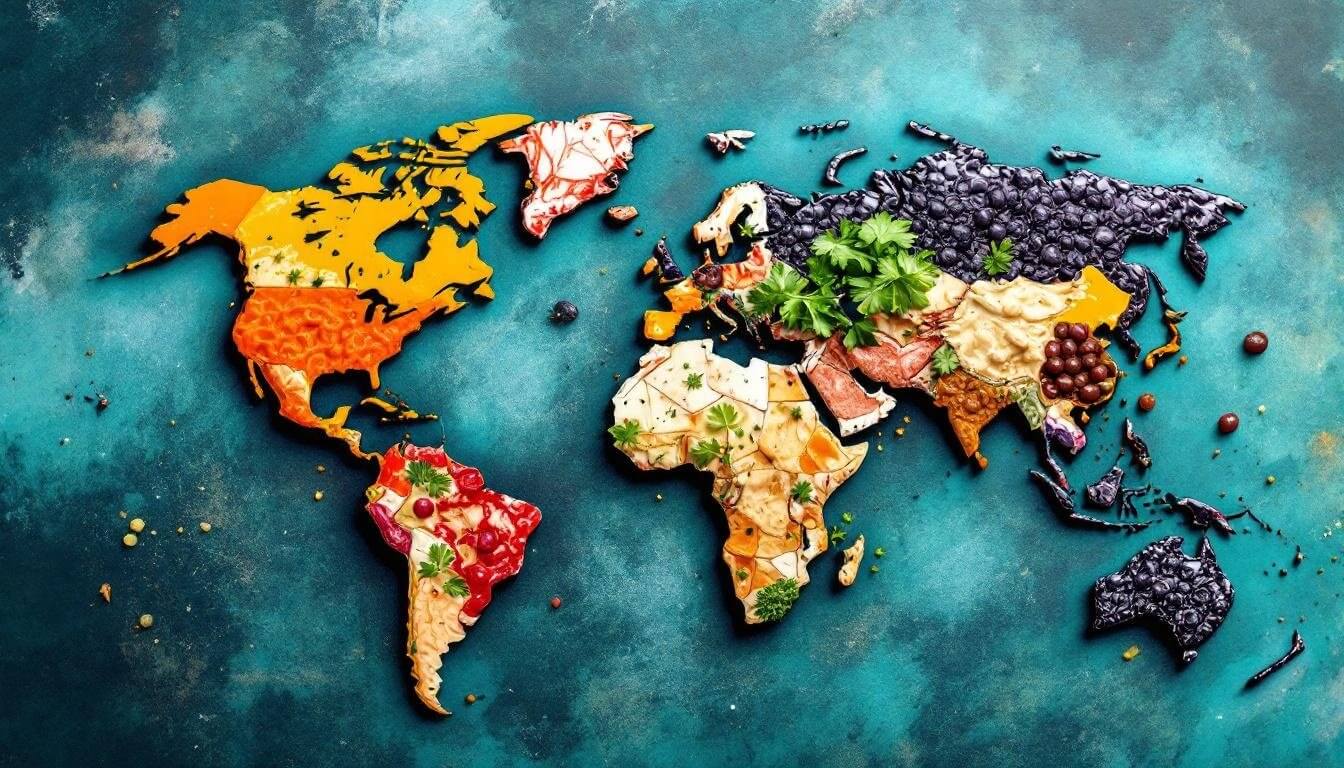
Cold appetizers are delectable, typically small-portioned dishes served before or alongside the main meal in many culinary cultures, offering variety. They are indispensable on tables for their appetizing nature, visual appeal, and rich flavor profiles. Geographical location, climate, and cultural heritage have shaped each region's unique cold appetizer varieties and consumption habits.
Types of Cold Appetizers and Their Global Differences
Cold appetizers generally appear as various dips, salads, pickled or marinated vegetables/proteins, and small-portioned snacks.
1. Mediterranean and Middle Eastern Cuisine: The Paradise of Mezes
This region is one of the richest and most diverse for cold appetizers. Mezes here are an important part of a lifestyle, sharing, and hospitality. They are often enriched with olive oil, lemon juice, garlic, fresh herbs, and spices.
- Hummus (Middle East General): A creamy dip made from chickpeas, tahini, lemon juice, garlic, and olive oil. Often served with pita bread or flatbread.
- Baba Ghanoush / Eggplant Salad (Middle East General, Türkiye): A meze prepared with roasted eggplant, tahini, yogurt (in Türkiye) or olive oil, garlic, and various spices.
- Tabbouleh (Lebanon, Syria): A refreshing salad made with finely chopped parsley, tomatoes, mint, onion, fine bulgur, lemon juice, and olive oil.
- Haydari (Türkiye): A thick, refreshing yogurt meze made with strained yogurt, garlic, and mint.
- Ezme (Türkiye): A spicy tomato-pepper salad prepared with finely chopped tomatoes, peppers, onions, parsley, and plenty of spices.
- Zeytinyağlılar (Olive Oil Dishes) (Türkiye, Greece): Cold-served vegetable dishes made with olive oil, such as stuffed vine leaves (yaprak sarma), fava beans in olive oil (barbunya pilaki), artichokes, and green beans.
- Cacık / Tzatziki (Türkiye, Greece): A refreshing dip made with yogurt, grated cucumber, and garlic, often flavored with mint.
- Dolma / Sarma (General): Vegetables (grape leaves, peppers, zucchini flowers) stuffed with rice and olive oil, served cold.
- 2. European Cuisines: Hors d'oeuvres and Starters
- Antipasti (Italy): Various cold starters served before the main course. Includes cured meats (prosciutto, salami), various cheeses, marinated vegetables (olives, artichoke hearts, sun-dried tomatoes), and bruschetta.
- Tapas (Spain): A Spanish tradition of serving various small-portioned foods. Cold tapas include marinated olives, various cheeses, tortilla española (slices of potato omelet), and gazpacho (cold tomato soup).
- Meze Platter / Smørrebrød (Scandinavia): Open-faced sandwiches (smørrebrød) or platters featuring a variety of cold cuts, cheeses, marinated fish (herring, gravlax), and pickles.
- Salade Niçoise (France): A hearty salad containing tuna, hard-boiled eggs, olives, fresh vegetables, and anchovies.
- Olivier Salad (Russia/Eastern Europe): A classic salad made with potatoes, carrots, peas, pickles, eggs, and mayonnaise (also known as Russian Salad).
- 3. Asian Cuisines: Fermented and Spicy Cold Delights
- Kimchi (Korea): The national dish and symbol of Korean cuisine, made from fermented Napa cabbage or radish with chili paste and garlic. Served as a side dish at most meals.
- Tsukemono (Japan): Pickles prepared by fermenting various vegetables with salt, vinegar, or miso (e.g., takuan - pickled daikon, gari - pickled ginger). Served as appetizers alongside meals.
- Liangcai (China): Typically vegetable (cucumber, broccoli) or noodle salads prepared with spicy sauces.
- Raita (India): A refreshing condiment or dip made with yogurt, cucumber, tomato, onion, and spices.
- Chutney (India): Sweet or savory sauces made by blending fruits, vegetables, herbs, and spices.
- 4. The Americas: Modern Interpretations and Interactions
- Guacamole (Mexico): A popular dip made with mashed avocado, onion, tomato, cilantro, and lime juice. Commonly consumed with tacos and chips.
- Ceviche (Peru): A refreshing appetizer made by marinating raw fish or seafood in lime/lemon juice, chili peppers, and spices.
- Salsa (Mexico, USA): Various sauces made with fresh or canned tomatoes, onions, chilies, and cilantro, often served with chips or alongside main dishes.
- Coleslaw (North America): A mayonnaise-based salad made from shredded cabbage and carrots, popular at barbecues and in fast-food restaurants.