


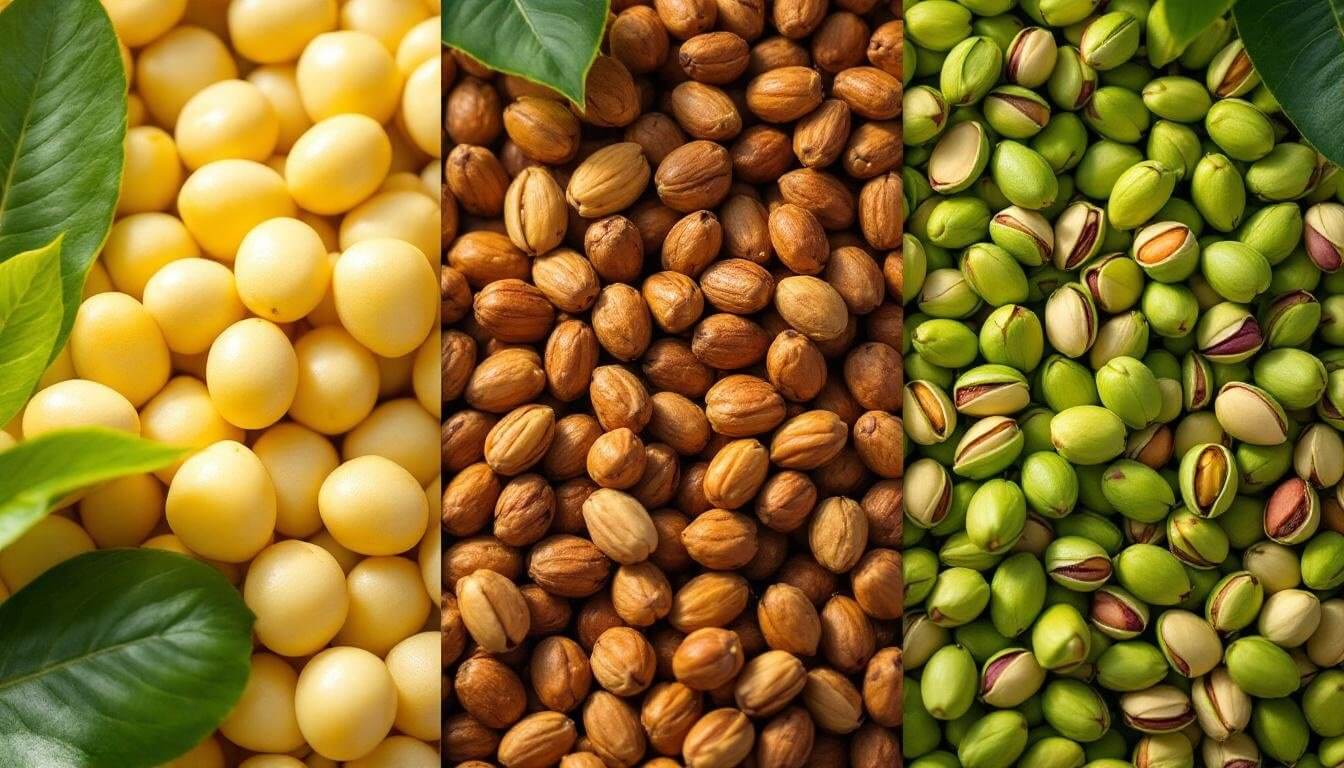
Nuts are an indispensable part of world cuisines and dietary habits. Thanks to their nutritional value, flavor, and long shelf life, they have been consumed by various cultures for thousands of years. Geographic location, climate, and cultural heritage determine which nuts are more popular and how they are consumed in different regions.
1. Asia: A Nut Paradise and the Heart of Diversity
Asia is a global leader in both nut production and consumption. Cuisines in the region use nuts not only as snacks but also as a fundamental component of meals and desserts.
- Peanuts: The most widely consumed nut globally, with Asia, particularly China and India, being the largest producers and consumers.
- China: Peanuts are frequently used in Chinese cuisine; added to stir-fries, sauces (e.g., in Kung Pao Chicken), and snacks. Peanut butter is also popular.
- India: Peanuts are common in chutneys, curries, breakfast items like poha, and various sweets.
- Cashews: Originating from Brazil and India, they are also widely cultivated in Vietnam and Africa. India is the largest producer and exporter of cashews.
- India: Cashews are extensively used in Indian cuisine in creamy sauces like korma, pilafs, desserts, and as snacks.
- Vietnam: Roasted cashews are a popular snack.
- Almonds: Native to the Middle East, with the USA (California), Spain, and Australia being major producers.
- Middle East and South Asia: Almonds are common in desserts (baklava, halva), pilafs, sauces, and as snacks.
- Pistachios: Indigenous to the Middle East, with Iran, the USA, and Türkiye being the largest producers.
- Türkiye and Middle East: Pistachios are indispensable for desserts like baklava and künefe, ice creams, and various pastries. They are also widely consumed as snacks. Gaziantep pistachios from Türkiye are particularly world-renowned.
- Walnuts: China and the USA are the largest walnut producers.
- China: Walnuts are used in both sweet and savory dishes, with high consumption.
- Central Asia/Türkiye: Walnuts are consumed in sweets (like cevizli sucuk, köme), salads (e.g., in some soups like ezogelin çorbası), pastries, and for breakfast.
- Pine Nuts: Common in the Mediterranean, Middle East, and Asia.
-
- Middle East and Mediterranean: Used in pilafs, stuffings (dolma), pestos, and some meat dishes.
- 2. Europe: From Traditional to Modern
- Hazelnuts: Türkiye is the world's largest producer and exporter of hazelnuts. Hazelnuts from Piedmont, Italy, are also famous.
- Türkiye and Italy: Hazelnuts are widely used, especially in the chocolate and confectionery industry (e.g., chocolate hazelnut spreads like Nutella). They are also consumed as snacks and in desserts.
- Across Europe: Hazelnuts are commonly used in cakes, cookies, desserts, and breakfast cereals.
- Almonds: Especially consumed in Spain (Marcona almonds), Italy, and Greece.
- Mediterranean Europe: Used in sweets (turrón, marzipan), pastries, salads, and for making almond milk.
- Walnuts: Countries like France (Noix de Grenoble) and Italy have significant walnut production and consumption.
- Across Europe: Common as snacks, in salads, desserts, cheese boards, and baked goods.
- Chestnuts: A popular nut of autumn and winter, especially in Southern Europe (Italy, France, Spain, Portugal).
-
- Southern Europe: Consumed roasted, in desserts (marron glacé), as flour (chestnut flour for bread and sweets), and in some meat dishes.
- 3. North America: The Power of Peanuts and Tree Nuts
- Peanuts: The USA is globally renowned for its peanut butter culture.
- USA and Canada: Peanut butter and jelly sandwiches, peanut butter cookies, protein bars, and snacks are primary consumption areas. Roasted peanuts are also a popular snack.
- Almonds: California is the world's largest almond producer.
- USA and Canada: Widely used as snacks, in almond milk, granola, protein bars, and baked goods. Their popularity has increased with health food trends.
- Pecan Nuts: Native to North America.
- USA: Pecan pie is a classic, frequently used in desserts, cookies, and salads.
- Walnuts: California is prominent in walnut production.
- USA and Canada: Common as snacks, in salads, baked goods, and oatmeal.
- Cashews: Imported from Vietnam and India.
-
- USA and Canada: Used as snacks, in vegan cheese alternatives, milk alternatives, and some Asian-inspired dishes.
- 4. South America: Local Diversity and Global Export
- Brazil Nuts: Indigenous to the Amazon rainforest, with Brazil and Bolivia being the largest producers.
- Brazil and Bolivia: Typically consumed raw or lightly roasted. Known as a healthy snack.
- Peanuts: Originate from South America and are widely cultivated and consumed in the region.
- Brazil, Argentina: Used in various snacks, confections (e.g., Brazilian sweets like paçoca), and some local dishes.
- Cashews: Brazil is the native home of cashews.
-
- Brazil: Both fresh cashew fruit and cashew nuts are widely consumed.
- 5. Africa: A Vital Nutritional Source
- Peanuts: A staple food in West Africa.
- West Africa: A main ingredient for peanut stews (maafe), soups, and sauces. Roasted peanuts are also a common snack.
- Cashews: An important agricultural product in West African countries (Côte d'Ivoire, Nigeria) and mostly exported to Asia for processing. However, they are also consumed locally.
- Hazelnuts and Almonds: Used in North Africa in desserts and snacks, due to Middle Eastern and Mediterranean influences.