


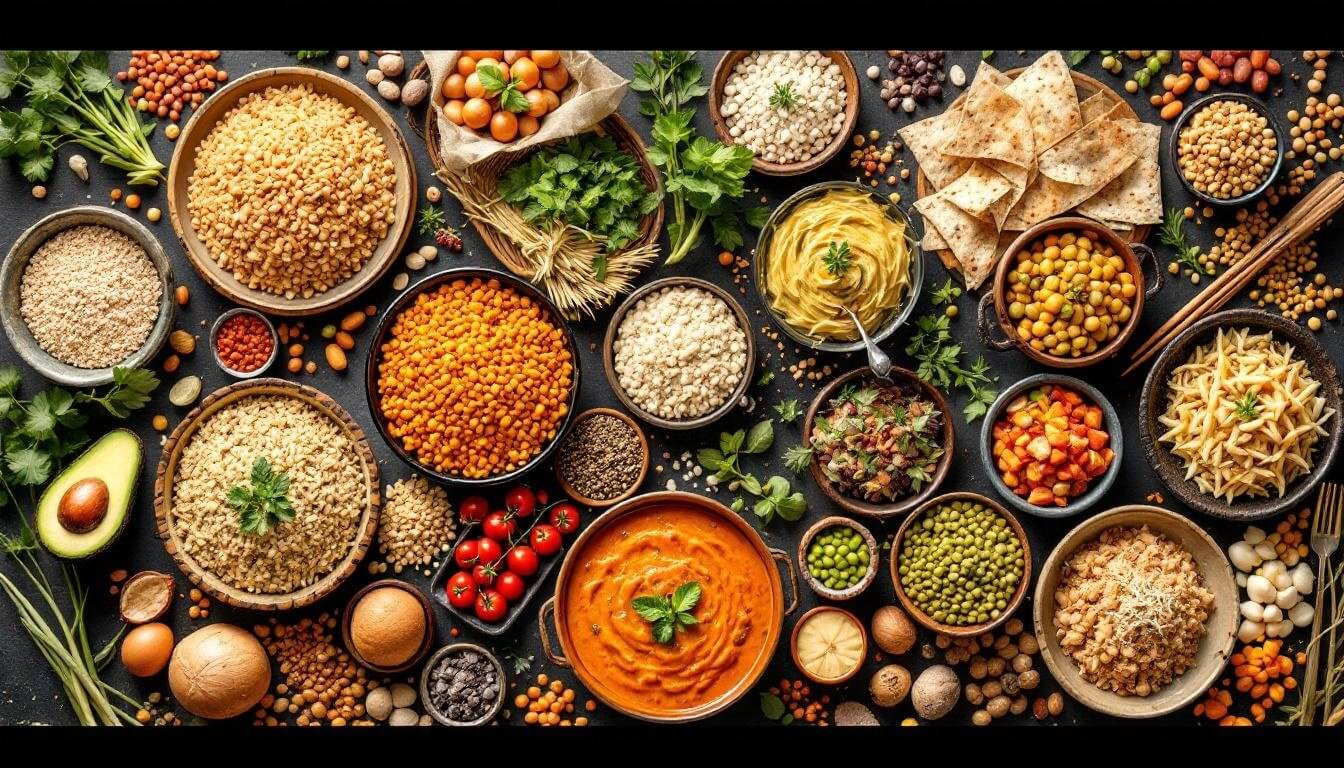
1. Asian Cuisines: The Heart of Legume Diversity
Asia is arguably where pulse cultivation and consumption are most diverse and deeply rooted. Legumes here are not just about beans; they encompass a wide range of fermented products, flours, and even entire dishes built around them.
- Soybean (Glycine max): A cornerstone of East Asian diets.
- Tofu: Soy milk curdled and pressed into blocks, used in stir-fries, soups (like Miso soup), and even desserts. Its versatility allows it to absorb flavors, making it a popular meat substitute.
- Miso: Fermented soybean paste, a fundamental seasoning in Japanese cuisine, used in soups, marinades, and dressings.
- Soy Sauce: A fermented condiment made from soybeans, wheat, salt, and water, essential for savory dishes across Asia.
- Tempeh (Indonesia): Fermented whole soybeans formed into a firm, nutty cake, often sliced, marinated, and fried or steamed.
- Natto (Japan): Fermented soybeans with a distinct sticky texture and strong aroma, often eaten for breakfast with rice.
- Edamame: Immature green soybeans, popular as a snack or appetizer, often steamed and lightly salted.
- Mung Beans (Vigna radiata): Widely used across Asia.
- Dal (India): A staple in Indian cuisine, often made from split mung beans (moong dal) or other lentils, cooked into a thick, stew-like consistency with spices.
- Bean Sprouts: Mung bean sprouts are common in stir-fries and fresh salads throughout Southeast Asia.
- Mung Bean Pastes/Desserts: Used in sweet dishes and pastries in countries like China and Vietnam.
- Chickpeas (Cicer arietinum): Prominent in South and West Asian cuisines.
- Chana Masala (India): A spicy, tangy chickpea curry.
- Hummus (Middle East): A creamy dip made from mashed chickpeas, tahini, lemon juice, and garlic.
- Falafel (Middle East): Deep-fried patties or balls made from ground chickpeas (or fava beans), a popular street food.
- Leblebi (Turkey): Roasted chickpeas, a popular snack.
- Lentils (Lens culinaris): A staple across the Indian subcontinent and parts of the Middle East. Various types (red, brown, green, black) are used in diverse dals, soups, and stews.
- Peas (Pisum sativum):
- Mushy Peas (UK): A classic accompaniment to fish and chips, made from rehydrated, marrowfat peas.
- Split Pea Soup: A hearty soup popular in many European countries, often with ham or bacon.
- Lentils:
- Lentil Soup (Mediterranean/Southern Europe): A common, nutritious soup, often with vegetables and herbs.
- Salad de Lentilles (France): Green lentils often used in salads with vinaigrette, herbs, and sometimes bacon.
- Gigantes Plaki (Greece): Large white beans (often "gigantes" or cannellini) baked in a rich tomato sauce with herbs.
- Beans (Phaseolus vulgaris - Common Beans):
- Baked Beans (UK/USA): Navy beans in a tomato sauce, a popular breakfast item in the UK and a BBQ side in the US.
- Fagioli (Italy): Beans feature prominently in Italian cuisine, such as in Pasta e Fagioli (pasta and bean soup) or Ribollita (a hearty Tuscan bread and vegetable soup, often with cannellini beans).
-
- Fabada Asturiana (Spain): A rich stew from Asturias made with large white beans, pork shoulder, chorizo, and blood sausage.
- Common Beans (Phaseolus vulgaris):
- Black Beans: A staple in Latin American and Caribbean cuisines.
- Feijoada (Brazil): A hearty stew of black beans with various cuts of beef and pork.
- Moros y Cristianos (Cuba): A classic dish of black beans and rice.
- Gallo Pinto (Costa Rica/Nicaragua): A traditional breakfast of rice and black beans, often mixed.
- Pinto Beans: Extremely popular in Mexico and the Southwestern US.
- Refried Beans: Cooked and mashed pinto beans, often served as a side or in burritos and tacos.
- Chili con Carne: While not strictly a bean dish, pinto or kidney beans are often key ingredients.
- Kidney Beans: Found in chilies, salads, and rice dishes.
- Red Beans and Rice (Southern US): A classic Louisiana Creole dish.
- Rajma (India, influenced by Mexican beans): A popular North Indian dish of kidney beans in a thick gravy.
- Lima Beans (Phaseolus lunatus): Named after Lima, Peru, these beans are central to Peruvian cooking and also popular in the American South ("butter beans").
- Cowpeas (Vigna unguiculata): A resilient crop, especially important in West and Central Africa.
- Acarajé (Brazil, African diaspora influence): Deep-fried balls of ground cowpeas, often served with shrimp and a spicy sauce. (Originating from West Africa)
- Akara (West Africa): Similar to acarajé, a popular breakfast or snack.
- Groundnuts/Peanuts (Arachis hypogaea): While botanically a legume, culinarily often treated as a nut.
- Peanut Stew/Groundnut Soup: Popular across West and Central Africa, a rich and savory stew using ground peanuts as a base.
- Lentils and Chickpeas: Also consumed in North Africa and the Horn of Africa, reflecting Middle Eastern culinary influences.
- Global Significance