


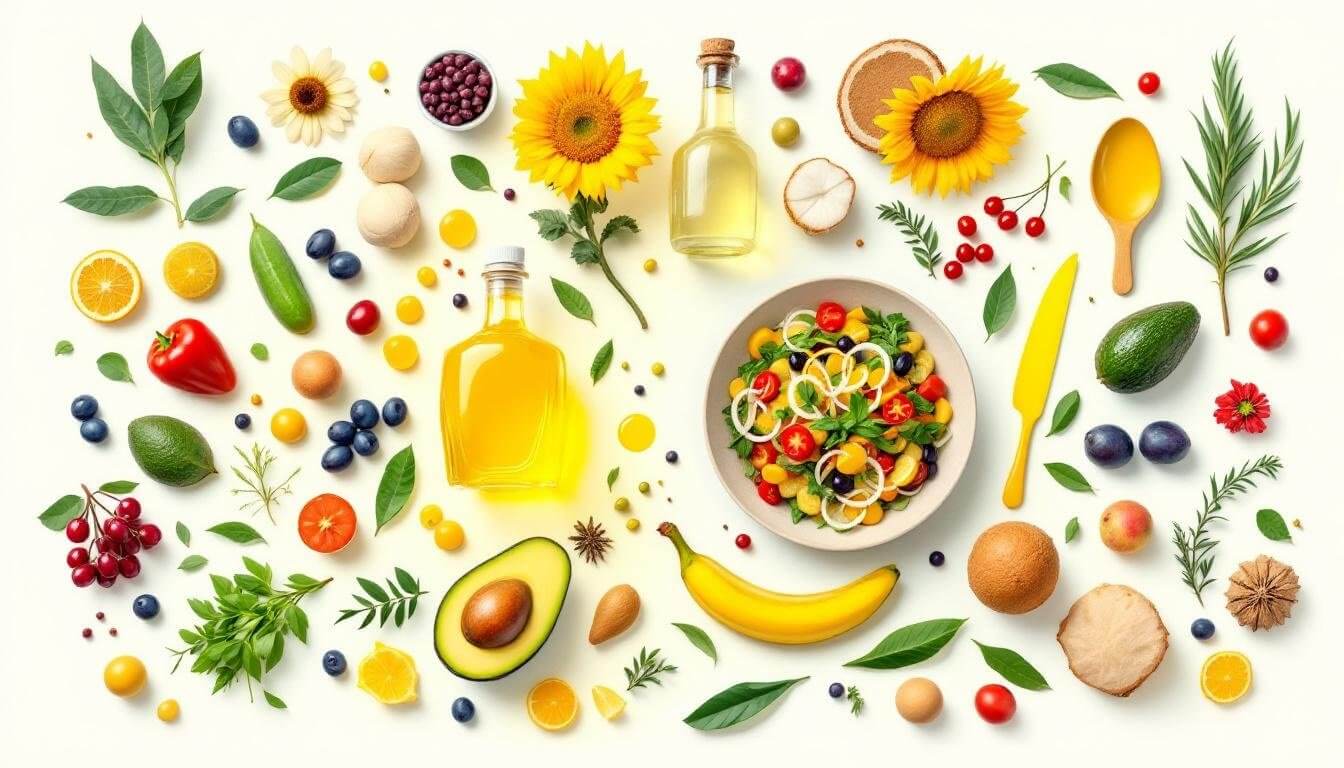
Vegetable oils are an essential part of our diet, and they can have both beneficial and potentially harmful effects on our health. The key is to choose the right oil, consume it in the correct amounts, and use it appropriately.
Benefits:
- Energy Source: Fats are a concentrated source of energy for our bodies, providing more energy per unit than protein or carbohydrates.
- Vitamin Absorption: They enable the body to absorb fat-soluble vitamins like A, D, E, and K. These vitamins are crucial for skin health, immune function, bone health, and antioxidant protection.
- Essential Fatty Acids: They contain essential fatty acids like Omega-3 and Omega-6, which the body cannot produce and must obtain from external sources. These fatty acids play a vital role in brain function, cell membrane structure, nervous system health, and regulating inflammatory processes.
- Heart Health: Particularly unsaturated fatty acids (monounsaturated and polyunsaturated fats) can help lower "bad" cholesterol (LDL) levels and increase "good" cholesterol (HDL) levels, thereby reducing the risk of cardiovascular diseases.
- Antioxidant Content: Some vegetable oils (e.g., olive oil, avocado oil) contain natural antioxidants. These antioxidants can combat free radicals in the body, preventing cell damage and offering protection against chronic diseases.
- Digestive System: Fats aid in the regular functioning of the digestive system and provide a feeling of fullness, which can reduce the tendency to overeat.
- Excessive Consumption: All fats are high in calories. Excessive consumption can lead to weight gain and obesity, which in turn increases the risk of heart disease, diabetes, and other metabolic syndromes.
- Saturated Fat Content: Some vegetable oils (e.g., palm oil, coconut oil) contain a high percentage of saturated fat. Excessive intake of saturated fats can raise LDL cholesterol, increasing the risk of heart disease. Saturated fat intake should be limited for a balanced diet.
- Trans Fats: Trans fats, produced through industrial processes (hydrogenation), are among the most harmful types of fats. They raise LDL cholesterol while lowering HDL cholesterol, increase inflammation, and significantly boost the risk of heart disease and diabetes. They can be found in processed foods and some fried items. Consumption should be avoided.
- Smoke Point and Oxidation: Every oil has a smoke point. Oils heated above this point oxidize, forming harmful compounds and free radicals. These compounds can have carcinogenic effects and trigger inflammation. Therefore, it's crucial to use oil at the appropriate temperature (e.g., avoid deep-frying with olive oil at very high heat).
- Omega-6 Balance: The balance between Omega-3 and Omega-6 fatty acids is important. Modern diets often involve excessive consumption of Omega-6 rich vegetable oils (sunflower, corn, soy) while being deficient in Omega-3 intake. This imbalance can lead to chronic inflammation in the body.
- Which Oil for Which Genome? (Personalized Nutrition and Oils)
- General Health Recommendations:
- Prioritize Unsaturated Fats:
- Monounsaturated Fatty Acids (MUFAs): Oils like olive oil, avocado oil, and hazelnut oil are highly beneficial for heart health. They typically form the basis of the Mediterranean diet. They are beneficial for most people.
- Polyunsaturated Fatty Acids (PUFAs - Omega-3 and Omega-6):
- Omega-3 Sources: Plant-based sources like flaxseed oil, chia seed oil, and fish oils (from seafood) are critical for brain and heart health.
- Omega-6 Sources: Oils such as sunflower oil, corn oil, and soybean oil are rich in Omega-6. While healthy, it's important not to overconsume them in a modern diet and to balance them with Omega-3 intake.
- Limit Saturated Fats: Some vegetable oils like coconut oil and palm oil are high in saturated fat. It's important to consume these oils in moderation, especially for individuals at risk of heart disease.
- Avoid Trans Fats: Absolutely avoid products containing partially hydrogenated oils.
- APOE Gene: It's suggested that individuals with certain APOE gene variants (e.g., APOE4) might be more sensitive to saturated fats, and high saturated fat intake could more significantly impact their cholesterol levels. For these individuals, focusing on monounsaturated fats like olive oil and avocado oil might be more beneficial.
- FADS Genes: FADS genes affect the body's ability to convert polyunsaturated fatty acids like Omega-3 and Omega-6 into longer-chain forms. It's thought that individuals with certain FADS gene variants might not be able to produce sufficient EPA and DHA from plant-based Omega-3 sources (ALA). In such cases, opting for sources directly containing EPA and DHA (fish oil, algal oil) might be more appropriate.
- Cholesterol Metabolism Genes: Some genes can influence an individual's cholesterol response to dietary fats (both saturated and unsaturated). Individuals with such genetic information might need to consume certain types of fat more carefully.
- Variety: Instead of relying on a single oil, use different vegetable oils (olive, canola, avocado, flaxseed, etc.) interchangeably.
- Minimal Processing: Opt for unrefined, cold-pressed oils whenever possible.
- Cooking Method: Pay attention to the smoke points of oils and choose appropriate cooking methods. For instance, avoid using olive oil for high-heat frying, reserving it for salads or low-heat cooking.
- Balance: Control the amount of fat consumed, considering your overall calorie intake and macronutrient balance.